A Comprehensive Beginner’s Guide to Forex Trading
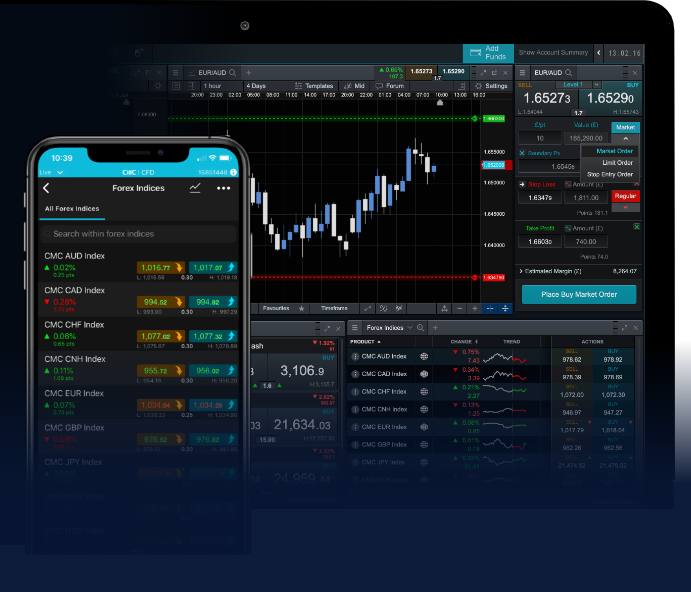
Forex trading, or foreign exchange trading, is the largest financial market in the world, with daily trading volumes exceeding $6 trillion. For beginners, the prospect of entering such a vast and dynamic market can seem daunting. However, with the right knowledge and preparation, anyone can learn the basics of Forex trading. In this guide, we’ll walk you through the essential concepts, strategies, and tips you need to get started. To assist you on your journey, you can also explore useful tools like forex trading beginner guide Trading App APK to streamline your trading experience.
Understanding the Forex Market
The Forex market is decentralized, meaning that it does not have a central exchange like the stock market. Instead, currency trading occurs over-the-counter (OTC) through a network of banks, brokers, and financial institutions. This decentralized nature provides traders with flexibility, as the market is open 24 hours a day, five days a week.
Currency Pairs
Forex trading involves buying one currency while simultaneously selling another, which is why currencies are quoted in pairs. The first currency in a pair is the base currency, while the second is the quote currency. For example, in the currency pair EUR/USD, the euro (EUR) is the base currency, and the US dollar (USD) is the quote currency. Traders speculate on whether the base currency will strengthen or weaken against the quote currency.
Bid and Ask Price
The bid price is the price at which you can sell a currency pair, while the ask price is the price at which you can buy a currency pair. The difference between the bid and ask price is called the spread, which is how brokers make their money. Understanding how to interpret these prices is crucial for successful trading.
Choosing a Forex Broker
Choosing the right Forex broker is a critical decision for beginners. A reputable broker will provide access to trading platforms, offer competitive spreads, and provide necessary support. Here are some key factors to consider:
- Regulation: Ensure that the broker is regulated by a respected authority, as this adds a layer of security to your trading funds.
- Trading Platform: The platform should be user-friendly, stable, and equipped with necessary analytical tools.
- Account Types: Brokers may offer various account types, including demo accounts, which allow you to practice without risking real money.
- Customer Support: Responsive customer service is essential for addressing your queries and issues promptly.
Developing a Trading Strategy
Having a well-defined trading strategy is essential for success in the Forex market. Here are some popular strategies that beginners can use:
1. Day Trading
Day trading involves making multiple trades within a single trading day, aiming to capitalize on short-term price movements. This strategy requires a strong understanding of market dynamics and technical analysis.
2. Swing Trading

Swing trading entails holding positions for a few days to weeks, capturing price swings in the market. This strategy requires patience and a solid grasp of market trends.
3. Scalping
Scalping is a high-frequency trading strategy where traders make numerous trades throughout the day, aiming to profit from small price changes. This requires quick decision-making and a reliable trading platform.
Technical vs Fundamental Analysis
Understanding the two main types of analysis can help you make informed trading decisions:
Technical Analysis
Technical analysis involves studying historical price movements and using charts, indicators, and patterns to predict future prices. Traders use tools like moving averages, trend lines, and Relative Strength Index (RSI) to identify potential entry and exit points.
Fundamental Analysis
Fundamental analysis focuses on economic indicators, interest rates, and geopolitical events that can influence currency values. Keeping up with financial news, economic releases, and central bank decisions is crucial for traders who utilize this approach.
Risk Management
Effective risk management is a cornerstone of successful Forex trading. Here are some key practices:
- Set Stop-Loss Orders: A stop-loss order automatically closes your position at a specified price to limit potential losses.
- Determine Your Risk Tolerance: Decide how much capital you are willing to risk on each trade and adjust your position sizes accordingly.
- Diversify Your Trades: Avoid putting all your capital into a single trade or currency pair. Diversification helps mitigate risk.
Getting Started with Forex Trading
Now that you have an understanding of the Forex market, trading strategies, and risk management, you’re ready to start trading. Follow these steps to get started:
- Open a Trading Account: Choose a broker, open an account, and complete the necessary verification.
- Download a Trading Platform: Many brokers offer trading platforms for various devices. Familiarize yourself with the platform’s features and tools.
- Start with a Demo Account: Before risking real money, practice trading using a demo account to develop your skills and test your strategies.
- Make Your First Trade: Once you feel confident, make your first trade using a small amount of capital. Monitor the trade and analyze the outcome.
Conclusion
Forex trading is an exciting venture that requires knowledge, practice, and discipline. As a beginner, start with a solid foundation by understanding the principles of the Forex market, developing a trading strategy, and managing your risk effectively. Armed with this guide, you are well on your way to becoming a successful Forex trader. Remember, continuous learning and adapting to market changes will be key to your long-term success in Forex trading.